The ISS Reform Project: Restorative, Educational, Student-Centered
We equip in school suspension workers with the tools to move beyond punishment. Our platform provides the training and evidence-based resources necessary to transform in-school suspension into a structured environment for restorative growth and student success.

The Challenge with Traditional Suspension

Missed Instructional Opportunity
Traditional out-of-school suspensions (OSS) are often counterproductive, frequently failing to deter future misbehavior while introducing significant long-term academic, social, and psychological risks. Research indicates that these exclusionary practices can trigger a “school-to-prison pipeline” by increasing the likelihood of future arrests and incarceration.

Behavior Escalation
Out-of-school suspensions (OSS) frequently lead to behavioral escalation by reinforcing a cycle of conflict rather than resolving the underlying issues. Instead of deterring misconduct, exclusionary discipline often intensifies emotional distress and antisocial tendencies, especially when responses are perceived as unfair or repeated.
Lack of Emotional Support
Out-of-school suspension (OSS) significantly disrupts the development of social-emotional skills, often exacerbating the very behaviors it aims to deter. When a student lacks emotional, parental, or financial support, these effects are compounded, as the suspension removes them from the primary environment where they might otherwise receive structure and intervention.

Inconsistent Intervention
Out-of-school suspension creates an inconsistent intervention because it treats emotional and behavioral challenges as disciplinary failures rather than developmental needs. By removing students from the learning environment, schools provide uneven responses to similar issues, leaving students with unclear expectations and reinforcing a cycle of academic and social instability.
Our Restorative Solutions

Responsive, Re-Entry & Repair Harm The Shift
Move from “In-School Suspension” (punishment) to a process of repairing harm. Why it’s a solution: It focuses on the specific steps needed for a student to successfully reintegrate into their classroom community after a conflict.

The Facilitator’s Heart & Toolkit The Shift
Move from “Resources” (passive items) to facilitation (active leadership).Why it’s a solution: It emphasizes that the adult’s role is to hold space for dialogue and model the empathy they expect from students.

Relationship & Harm-Repair Agency The Shift
Move from “Coping” (internalizing) to Agency (the power to act).Why it’s a solution: It gives students the practical tools to voice their needs, understand their impact on others, and actively participate in fixing what went wrong.
Community-Led Sustainability The Shift
Move from “Implementation” (a top-down task) to Sustainability (a community commitment).Why it’s a solution: It signals that restorative practices aren’t just a “program” to be piloted, but a long-term cultural shift owned by everyone in the building.
Key Components of the Model

Anger Management
Navigating Big Emotions to Restore Peace

Reflection
Understanding My Impact and Making it Right

Self-Regulation
Balancing Your Energy to Honor the Space

Conflict Resolution
Repairing Relationships Through Dialogue
Social-Emotional Learning
Developing the Skills to Care for Our Community, Shift from “managing behavior” to building skills.

Reentry & Support
Welcoming Back with Support and a Plan for Success.
Teaching Empathy
Seeing Through Others’ Eyes to Strengthen Our Bonds.
Repair Harm
Sturges firm tips & counsel with Q&A of the Catechist

Restorative Education
Proactive Community Building and building a culture of trust.
De-escalation
Calm communication and empathy to reduce the intensity of a conflict and prevent it from turning into violence.
Implement Techniques
Understand the Model
Learn the Restorative ISS Approach.
Explore Implementation Tools
Growth mindset and strategies for success.

Access Student-Centered Resources
SEL lessons and resources.
Support a School Wide ISS Restorative Transition
Onboarding and district rollout support.
Why Restorative ISS Practices Matter
Restorative practices transform school culture and foster emotional growth by honoring student worth through a focus on community and healing rather than punishment.
Visual Tools & Guidelines
Quick-reference visuals and district guidance to support restorative ISS implementation.
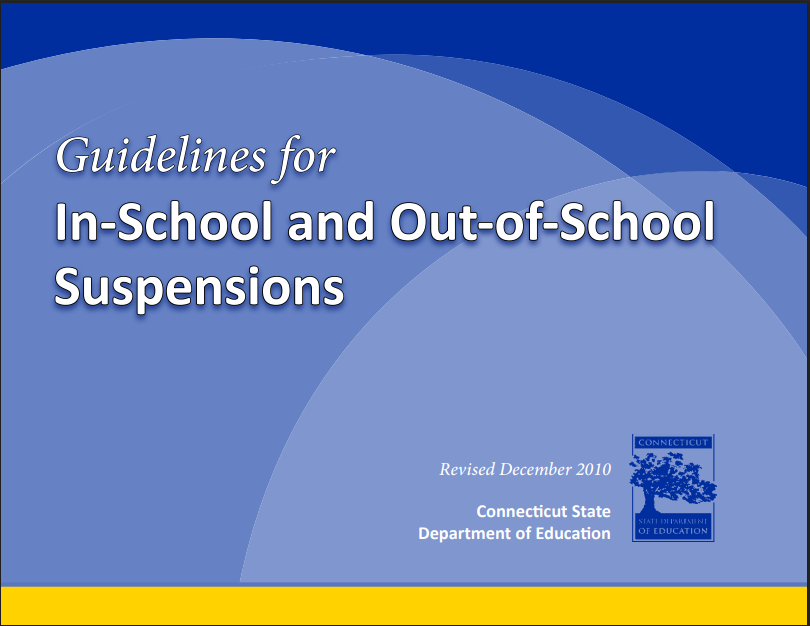
CT SDE: In-School & Out-of-School Suspension Guidelines
Connecticut guidance for ISS/OSS use, procedures, and best-practice considerations.

CASEL Competency Wheel
A visual framework for SEL competencies and aligned practices.
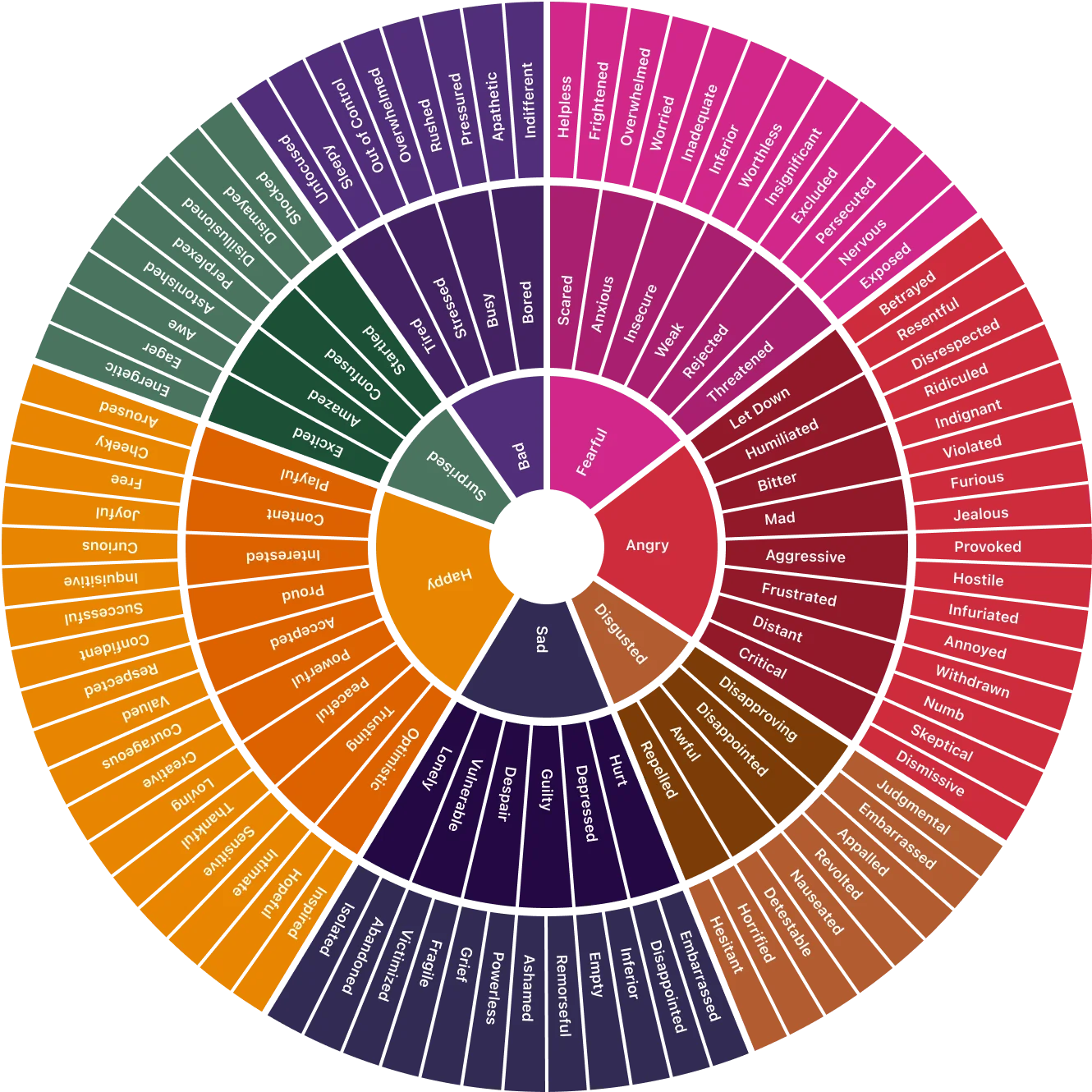
Uncomfortable Emotions Wheel
Helps students identify and name difficult emotions with clarity.

Comfortable Emotions Chart
A quick list of positive emotions to support emotional vocabulary.
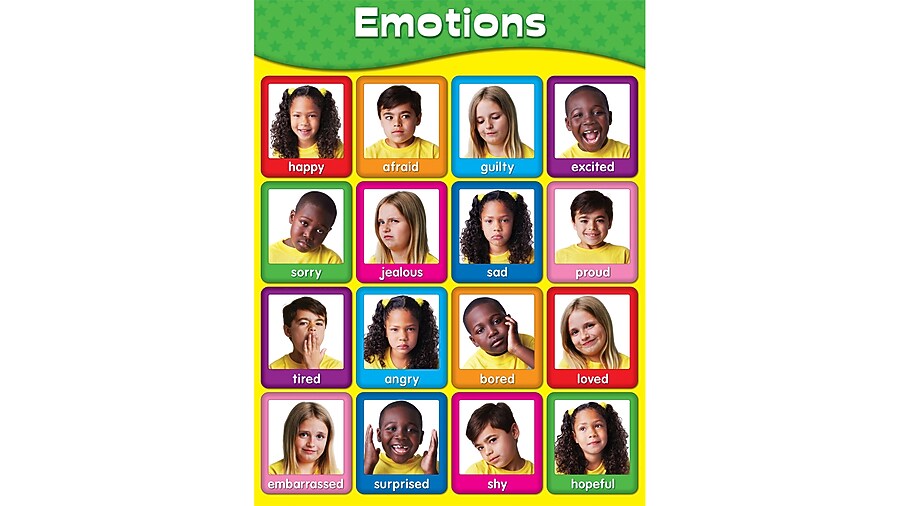
Emotions Chart
A classroom-friendly chart for naming feelings and discussing needs.
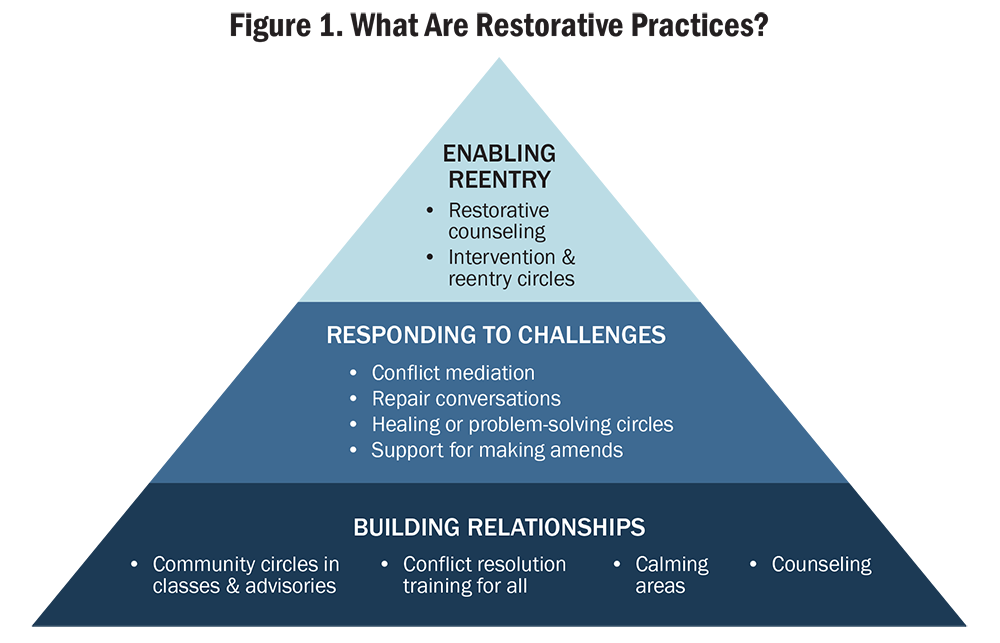
Restorative Practices Triangle
A visual showing proactive, responsive, and reintegrative practices.